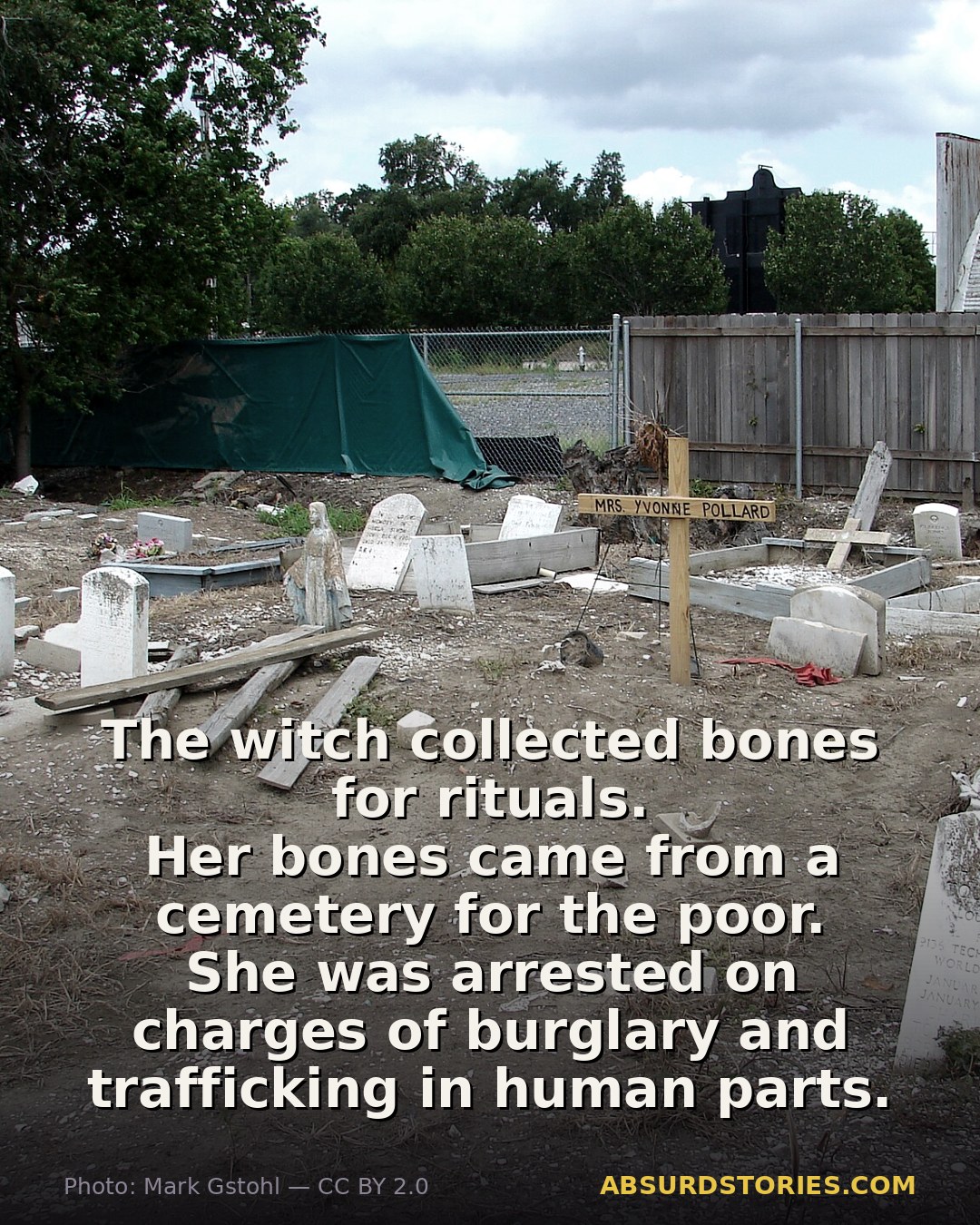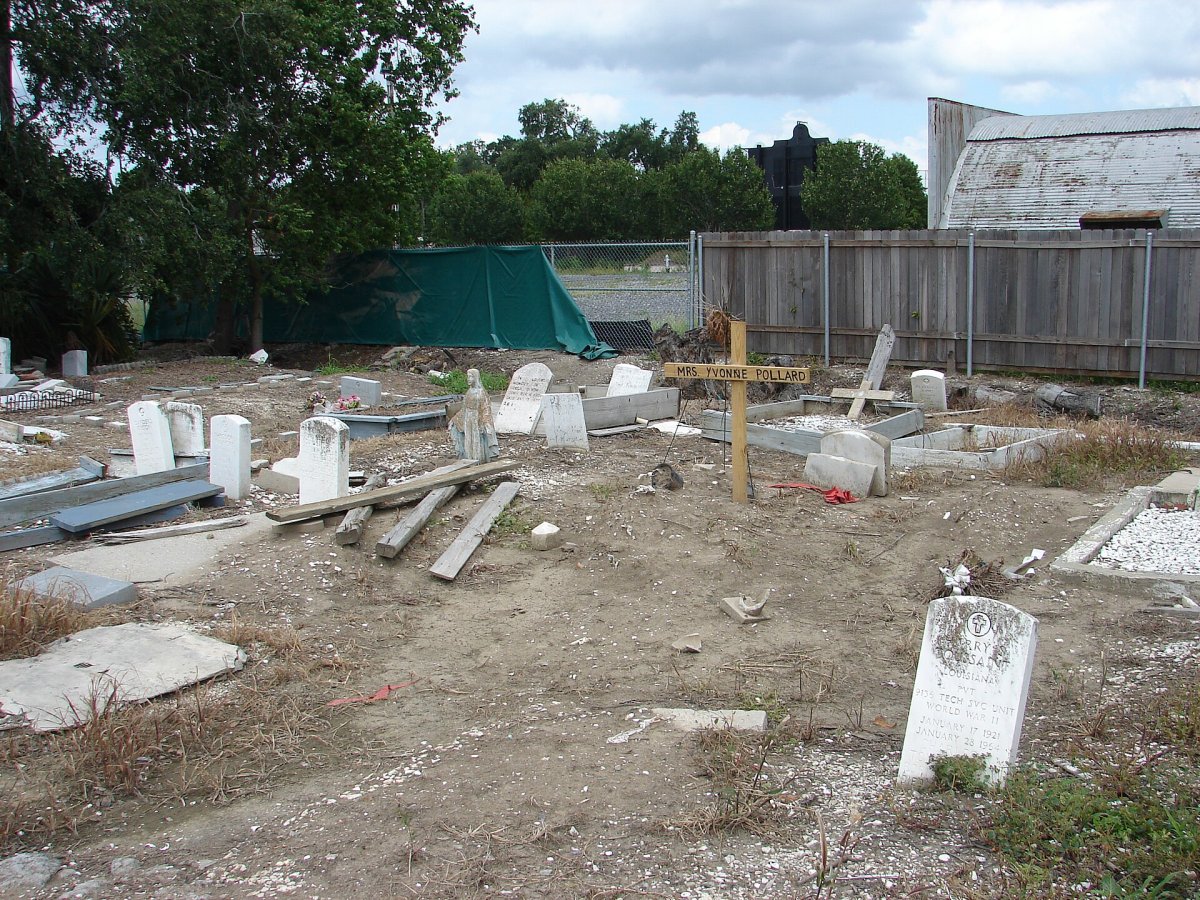
The controversy began when a witch in New Orleans shared on social media that she was collecting human bones for rituals. She claimed to have found them in a cemetery where bones frequently surfaced. The situation escalated quickly after the post went viral.
Initially, she received mixed reactions from fellow witches. Some supported her, while others accused her of grave desecration. The cemetery in question, Holt Cemetery, was known for being a potter's field for the impoverished, mainly people of color. Critics argued that her actions were disrespectful and perpetuated colonialist attitudes.
The post quickly spread across various platforms, sparking outrage and memes that humorously pointed out the absurdity of the situation. The term “Boneghazi” emerged as the discourse on race, class, and ethics unfolded online. The witch defended her actions, insisting she only took bones that were already exposed, claiming a spiritual connection to the deceased.
Authorities caught wind of the situation after online users reported her, leading to an investigation. The police surveilled her home and seized multiple human bones. Eventually, she faced criminal charges for burglary and trafficking in human parts.
After spending two months in jail, she pleaded guilty to lesser charges and was sentenced to time served. The controversy not only led to her arrest but also prompted legislative changes in Louisiana regarding human remains. Membership in the community she belonged to dwindled significantly in the aftermath.
This bizarre episode serves as a reminder of how quickly online actions can have real-world consequences.