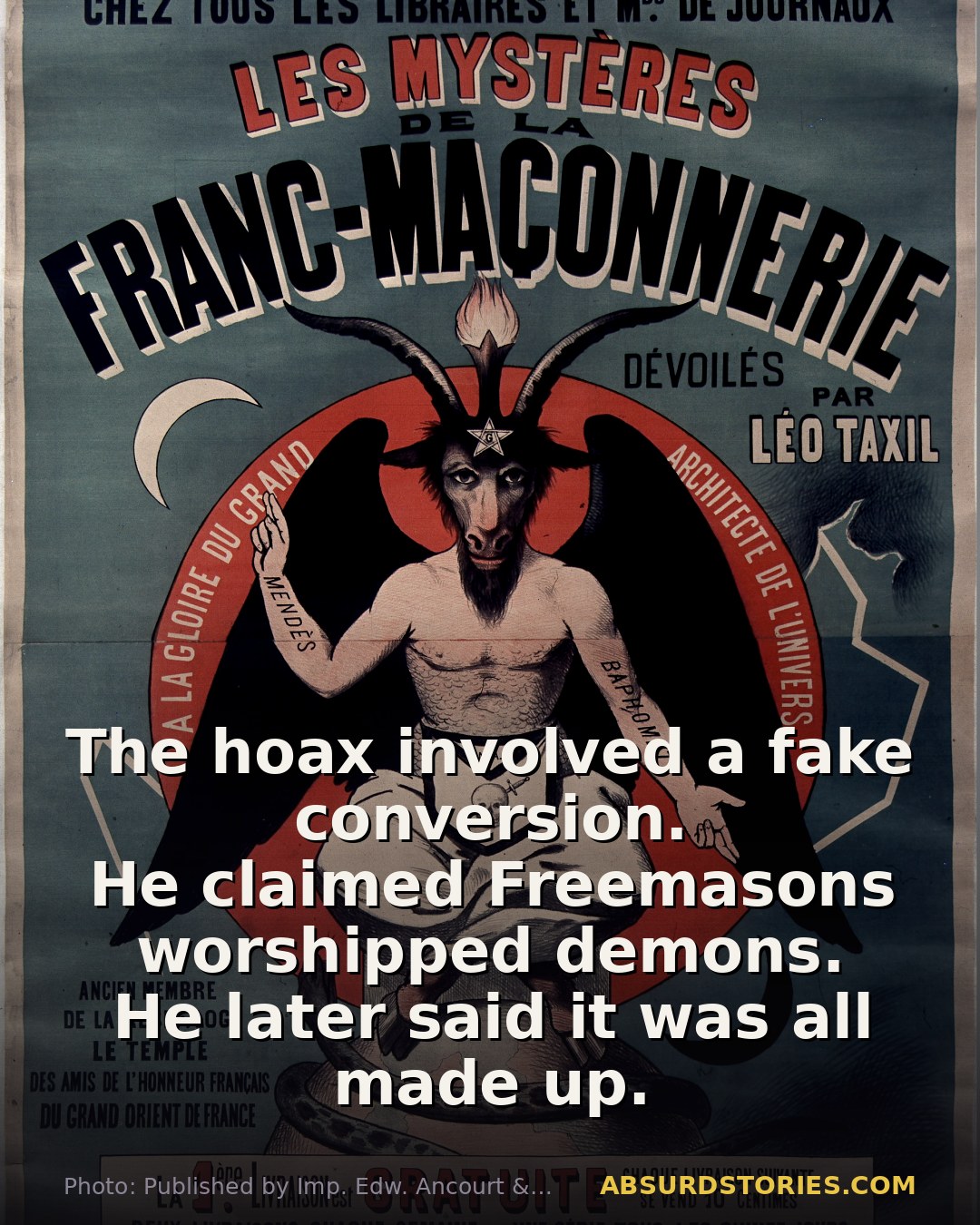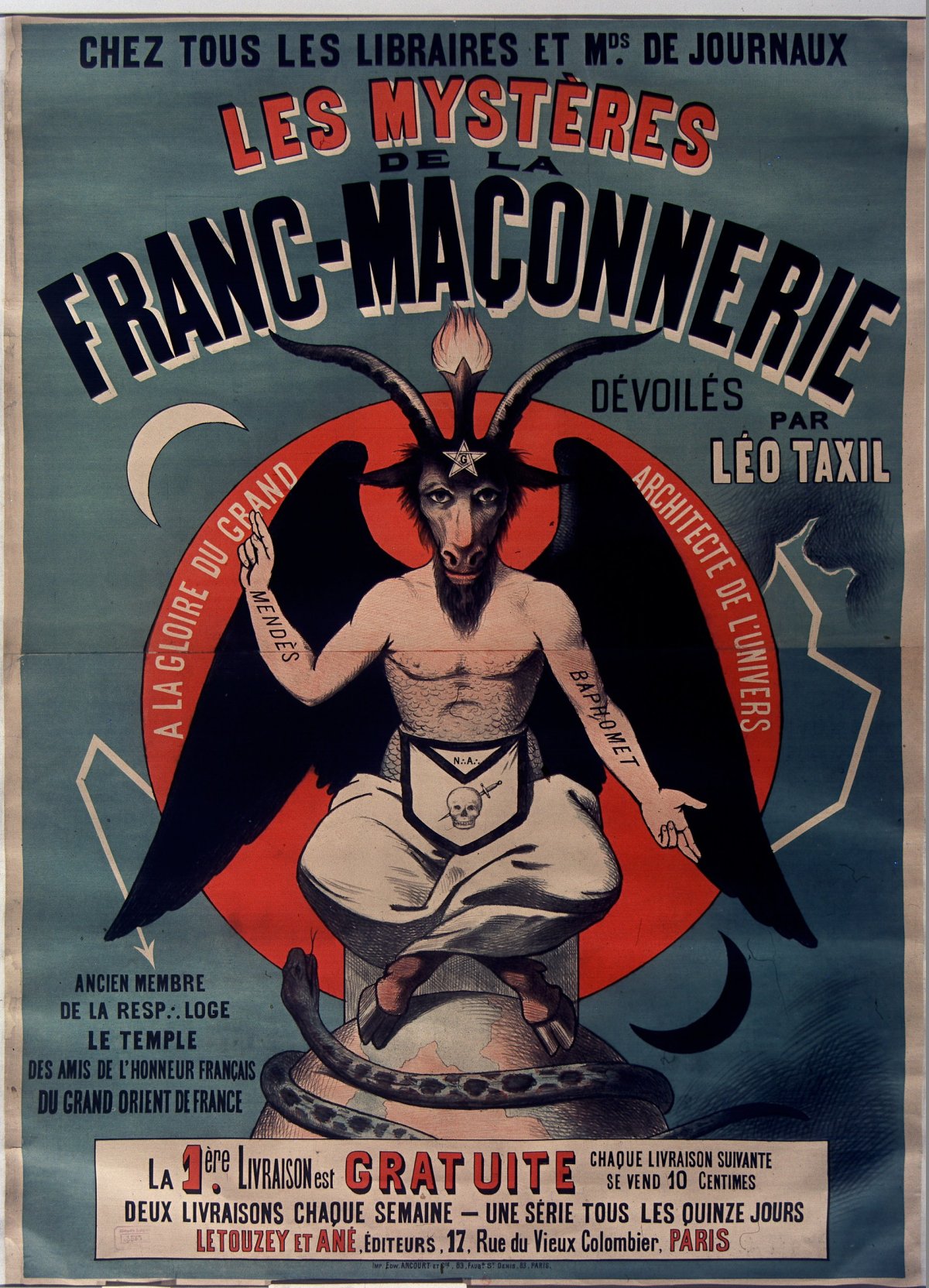
In the 1890s, a remarkable deception unfolded involving a man who concocted bizarre tales about Freemasonry and its supposed ties to the demonic. Léo Taxil, who had previously authored an anti-papal tract, staged a public conversion to Catholicism, claiming he would serve the Church. He published several volumes detailing the alleged sinister activities of Freemasons, suggesting they engaged in dark rituals and were in league with various religious groups.
One of Taxil's more outlandish narratives revolved around a character named Dr. Bataille, who supposedly infiltrated the Freemasons and observed their evil deeds worldwide. According to Taxil, this surgeon uncovered a secret society within the Masons known as the Palladists, who were said to receive orders directly from demons. Adding to the absurdity, Dr. Bataille introduced Diana Vaughan, a purported ex-high priestess of Palladism who converted to Catholicism and was allegedly targeted for assassination by the Freemasons.
In 1897, Taxil called a press conference at which he promised to produce Vaughan. Instead, he announced that all his shocking disclosures about the Freemasons were fabricated. Nine years later, he admitted that he initially thought his stories would be recognized as humorous fiction. However, as the tales began to be taken seriously, he discovered a lucrative market for his publications and continued the charade.
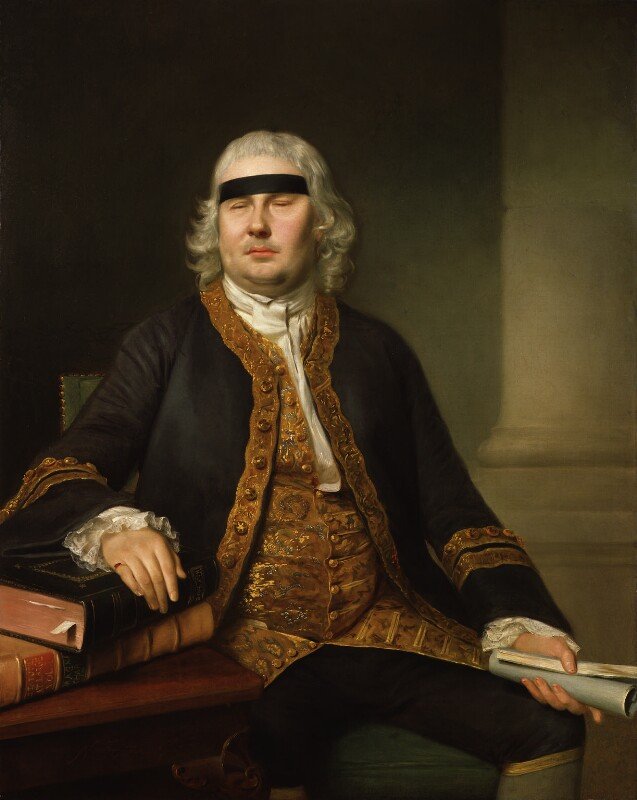
Taxil's claims supported the anti-Masonic sentiments prevalent among many Catholics, leading to a mix of belief and skepticism within the Church. While some church leaders embraced his fabrications, others questioned the existence of characters like Diana Vaughan. Prominent skeptics, including English author Arthur Edward Waite, pointed out inconsistencies and implausibilities in Taxil's accounts, ultimately debunking the whole affair.
The Taxil hoax remains a striking example of how unfounded tales can capture the imagination of many, especially when intertwined with religious themes and societal fears. The absurdity of an entire narrative built on deception illustrates how gullibility can lead to widespread belief in even the most outrageous claims.