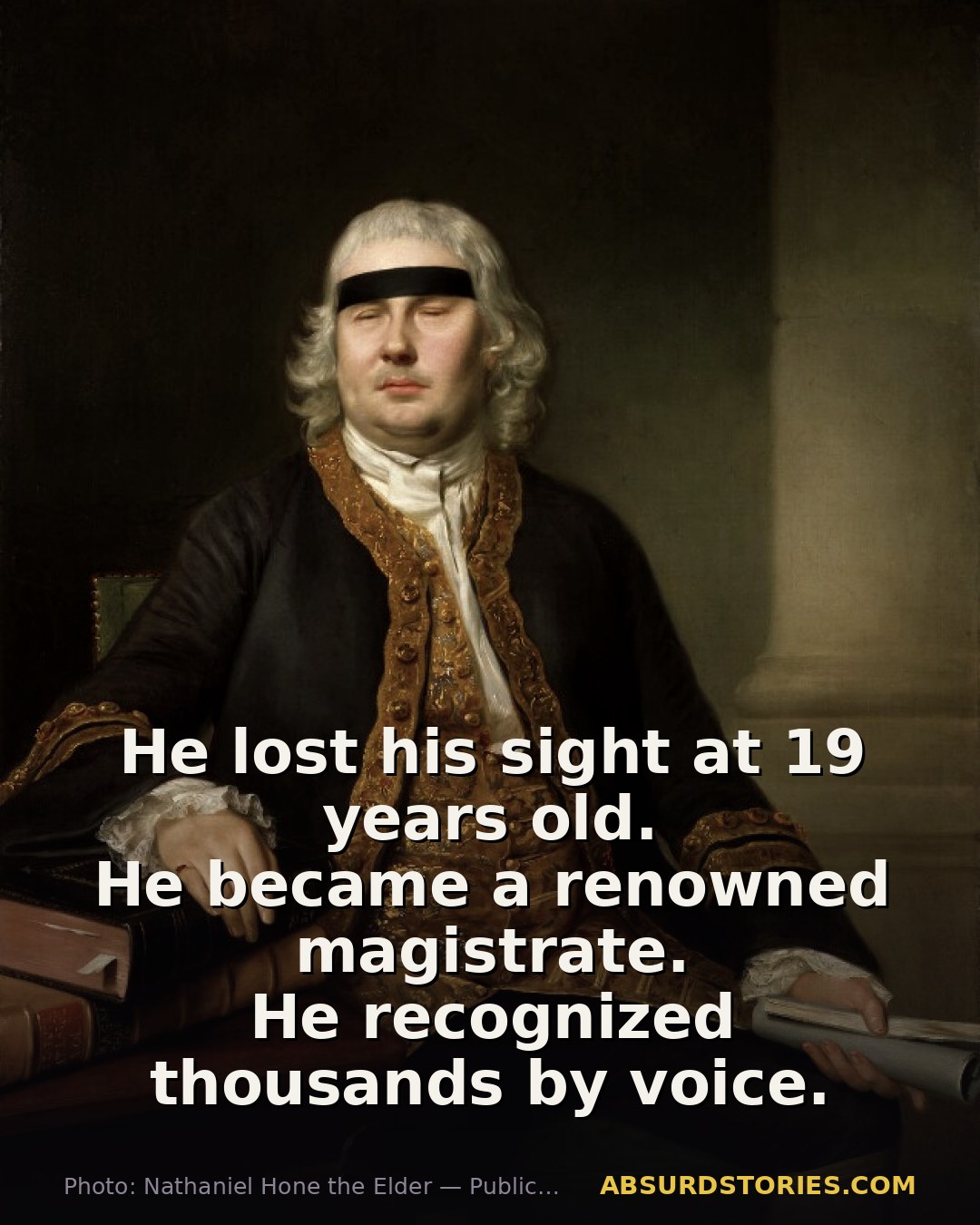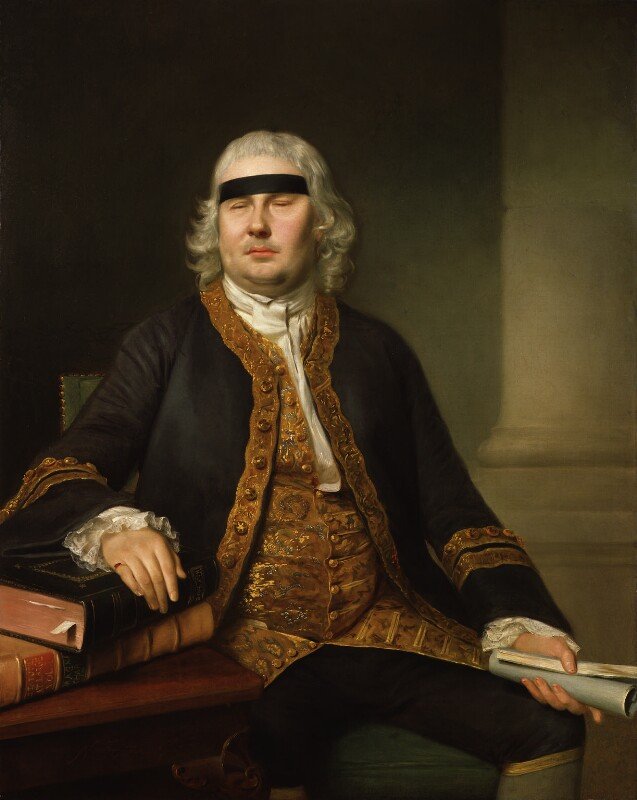
At the age of 19, John Fielding suffered a tragic accident that left him blind. This incident occurred while he was receiving treatment from a surgeon, whose negligence resulted in permanent loss of sight. Remarkably, instead of succumbing to despair, Fielding adapted to his new reality.
John Fielding was appointed magistrate at Bow Street, a position that came after years of collaboration with his brother Henry. Following Henry's death, he took over the role and became known as the 'Blind Beak.' Despite his blindness, he reportedly developed an uncanny ability to recognize around three thousand criminals solely through their voices.
Fielding was a pioneer in law enforcement, instrumental in creating the first professional police force, known as the Bow Street Runners. He also established a police gazette that circulated descriptions of known criminals, laying the groundwork for what would eventually become the modern police records department.
Additionally, Fielding was dedicated to social reform, advocating for crime prevention and youth employment initiatives. He founded the Asylum for Orphan Girls in 1758, providing support for vulnerable children.
Fielding's contributions went beyond mere law enforcement; he played a significant role in shaping the justice system of his time. His legacy as an innovative magistrate has echoes in literature, with characters inspired by his life appearing in works by authors such as Charles Dickens.
Thus, a man blinded by circumstance forged a path in social reform and policing, leaving an indelible mark on history.