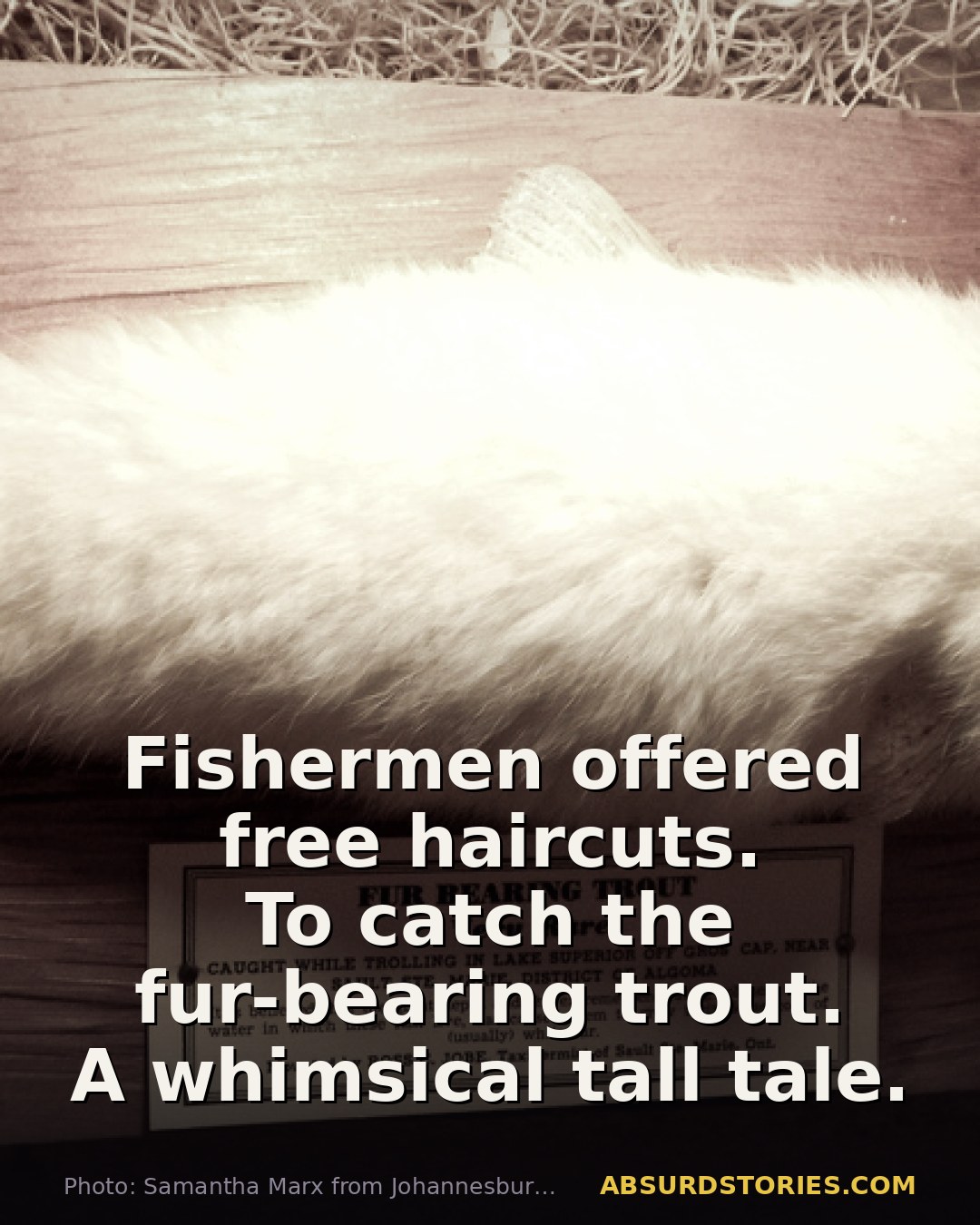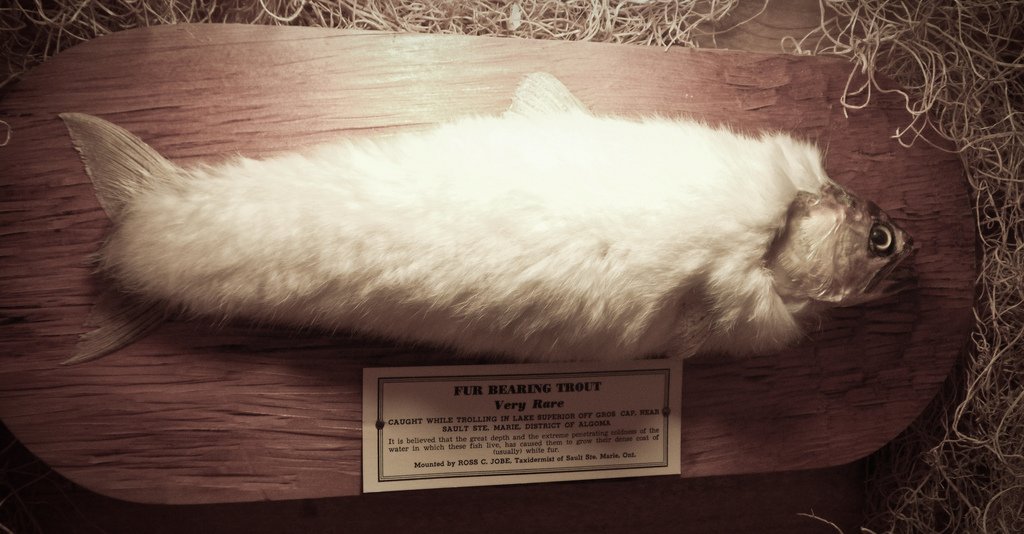
The notion of fur-bearing trout stretches the limits of imagination. These mythical fish are said to have developed a thick coat of fur to withstand the frigid waters of rivers and lakes. Folklore suggests that cold environments prompted this bizarre adaptation.
The tale of the furry trout dates back to the 17th century, with references in both American and Icelandic folklore. In one version, fishermen would entice these fish by offering free haircuts, playing off the absurd idea of catching furry trout.
A famous publication in 1929 described a taxidermy specimen that featured white rabbit fur cleverly affixed to a trout. This bizarre artifact can be found at the Royal Museum of Scotland, contributing to the legend's mystique.
Folklore describes a specific Icelandic variant, the Lodsilungur, believed to be a punishment from demons for human wrongdoings. This creature is noted as being inedible and overwhelming rivers.
In the United States, another story tells of trout that explode upon being caught due to temperature changes, with their fur and skin peeling off intact. This strange image adds another layer to the absurdity surrounding these legendary fish.
Despite the various tales, no real species of fur-bearing trout exists, although other fish exhibit hair-like growth. The truth is stranger than fiction, as some stories about these mythical fish persist, continuing to amuse and perplex.