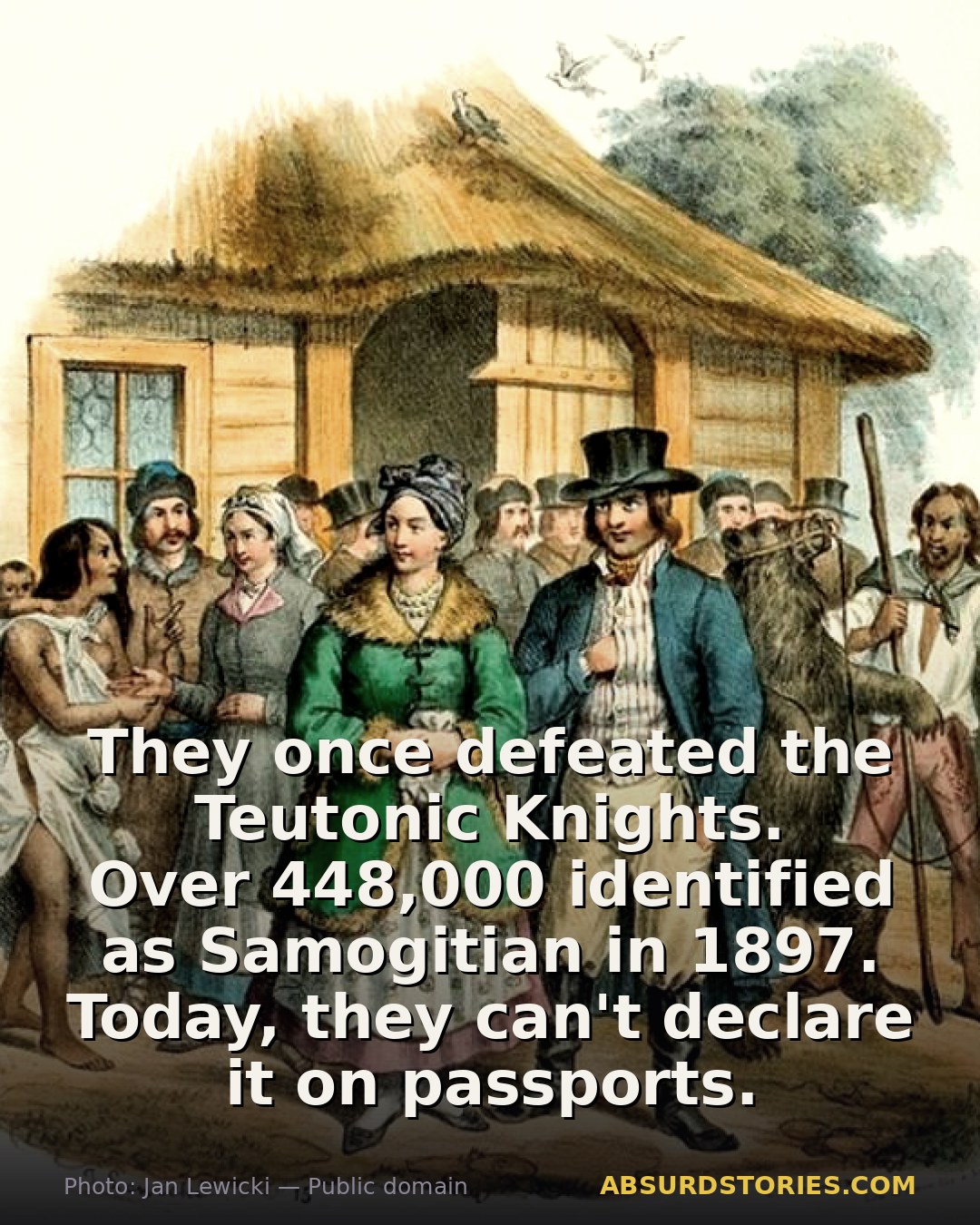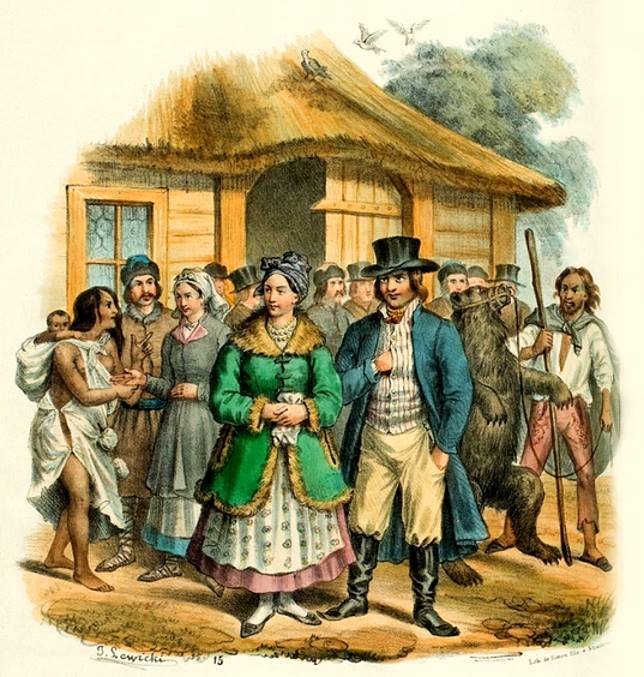
The Samogitians, inhabitants of Samogitia in Lithuania, are entangled in a complex narrative of identity. Historically, they were recognized as a distinct ethnic group, with significant population figures indicating their unique identity. In 1897, over 448,000 people declared themselves Samogitians in the Russian Empire census.
This early recognition contrasts sharply with modern Lithuania, where the Samogitian ethnicity is not officially acknowledged. Currently, individuals cannot declare Samogitian nationality on official documents like passports. This reflects a broader trend of diminishing recognition over the years.
The identity struggle of the Samogitians is underscored by their linguistic heritage. The Samogitian language, often seen as a dialect of Lithuanian, is distinct enough to signify a unique cultural existence. Yet, only a small number of individuals now identify as Samogitian in more recent censuses, raising questions about cultural preservation.
In a historical context, the Samogitians are noted for their courageous defense against the Teutonic Knights in 1260. This decisive victory marked a significant moment in their history, but the subsequent centuries have seen their recognition and cultural status change dramatically.
Despite their rich heritage and historical significance, the Samogitians today face challenges regarding their identity and recognition within the modern framework of Lithuania.