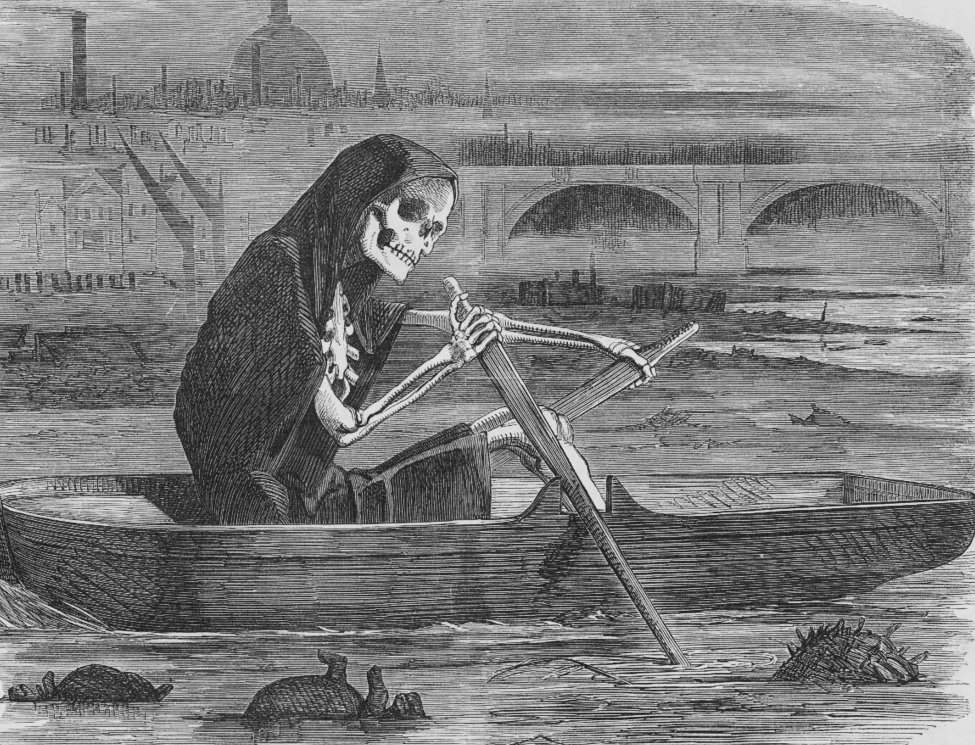
In 1858, London faced a crisis known as the Great Stink. The heat of July and August intensified the smell of untreated human waste and industrial runoff along the river Thames. As the stench grew unbearable, it was compounded by an inadequate sewer system that directly discharged waste into the river.
This situation had been worsening for years due to an aging infrastructure. By 1858, the city was not only flooding with filth but also in the grip of cholera outbreaks. Authorities were increasingly concerned that the noxious fumes could spread disease. In fact, three previous cholera outbreaks were linked to the ongoing issues with the Thames.
As the odor reached its peak, public health fears prompted urgent action from local officials. They had been weighing solutions but were pushed to act more decisively by the overwhelming stench. Civil engineer Joseph Bazalgette proposed a revolutionary plan to reroute the sewage away from the river.
His proposal involved a series of interconnecting sewers designed to transport waste eastwards, where it could discharge beyond the metropolitan area. This plan included constructing high-, mid-, and low-level systems that would eventually lead to the Northern and Southern Outfall Sewers, initiated in 1859 and completed by 1875. To facilitate drainage, pumping stations were established to move sewage up from lower to higher levels.
These efforts culminated in the construction of the Victoria, Chelsea, and Albert Embankments, which now house sections of the sewer system. Bazalgette's initiative not only ended the practice of dumping sewage directly into the Thames but also significantly reduced cholera outbreaks in London. His work is credited with saving more lives than any other Victorian official.
Through these monumental changes, London's sewer system has continued to operate well into the 21st century, supporting a bustling population. Historians regard Bazalgette as a pivotal figure in London's history, a hero whose actions transformed public health.