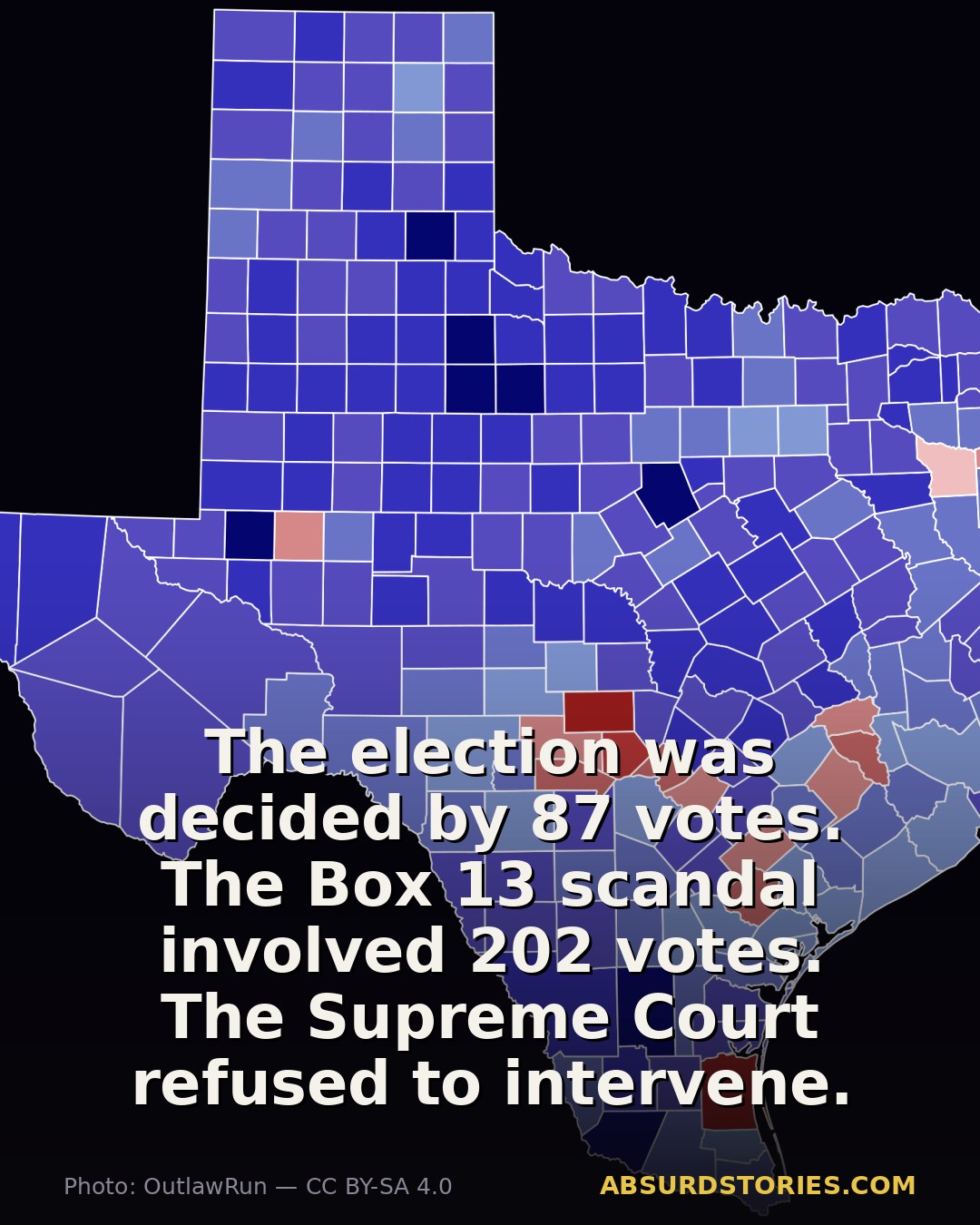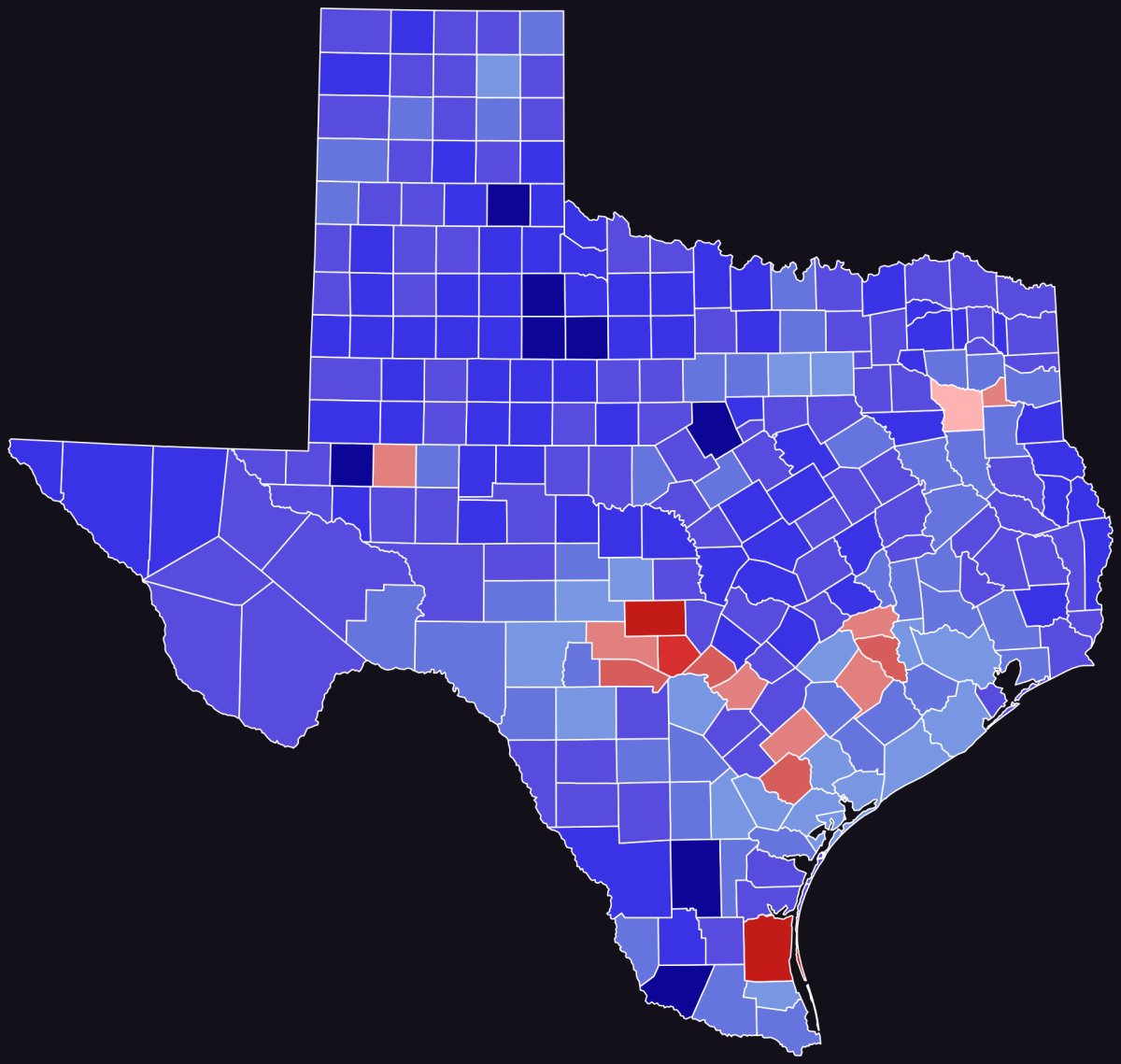
The 1948 United States Senate election in Texas is remembered for its narrow and controversial nature. The race was between Lyndon B. Johnson and Coke R. Stevenson. Johnson, a Democratic U.S. representative, faced Stevenson, the sitting governor of Texas.
The Democratic primary was held on July 24, 1948. As no candidate secured a majority, Johnson and Stevenson moved to a run-off on August 28. This contest became intensely competitive, reflecting the ideological divide between Johnson's liberal stance and Stevenson's conservative position.
Johnson was declared the winner by a mere 87 votes. However, the results were contested, leading to a series of legal challenges and recount efforts initiated by Stevenson's campaign. Eventually, the Texas Democratic Party confirmed Johnson's nomination by just one vote.
Allegations of bribery and fraud plagued the primary, particularly in Jim Wells County. Reports suggest that a significant amount of voting irregularities occurred, with the most infamous being the Box 13 scandal. In this incident, 202 votes were reported for a single precinct six days after the election, which gave Johnson a crucial lead over Stevenson.
The matter escalated to the Supreme Court, but the court declined to hear the case, citing that the final authority on party nominations lay with the state party. Subsequent accounts indicated that widespread fraud had indeed taken place during the election.
In the general election, Johnson faced Republican candidate Jack Porter, who ran an unusually aggressive campaign. Despite the controversies, Johnson secured his Senate seat in a state that was heavily Democratic, albeit by a narrower margin than usual. The events surrounding this election are a striking example of political maneuvering and corruption, reflecting the tumultuous nature of Texas politics during that era.