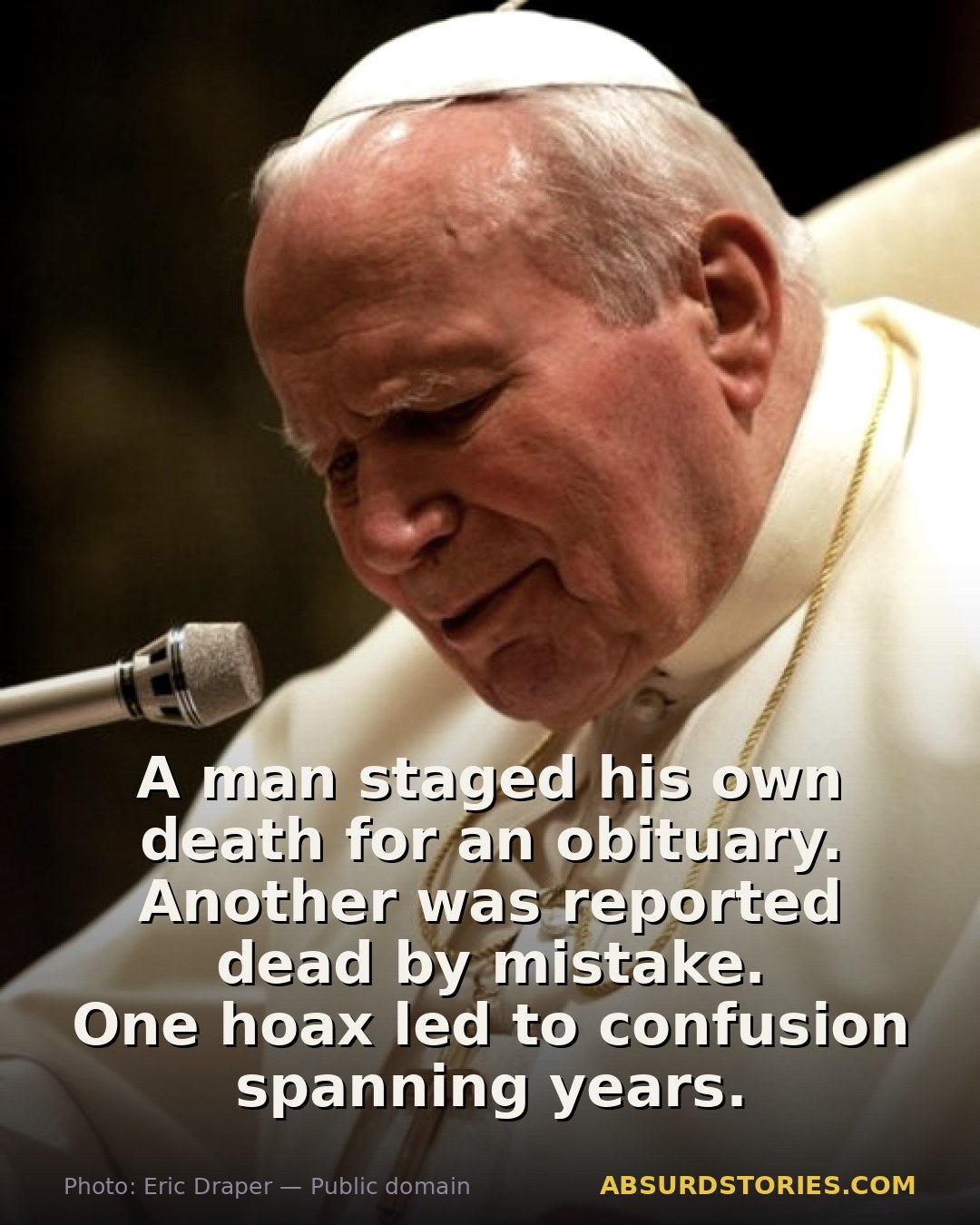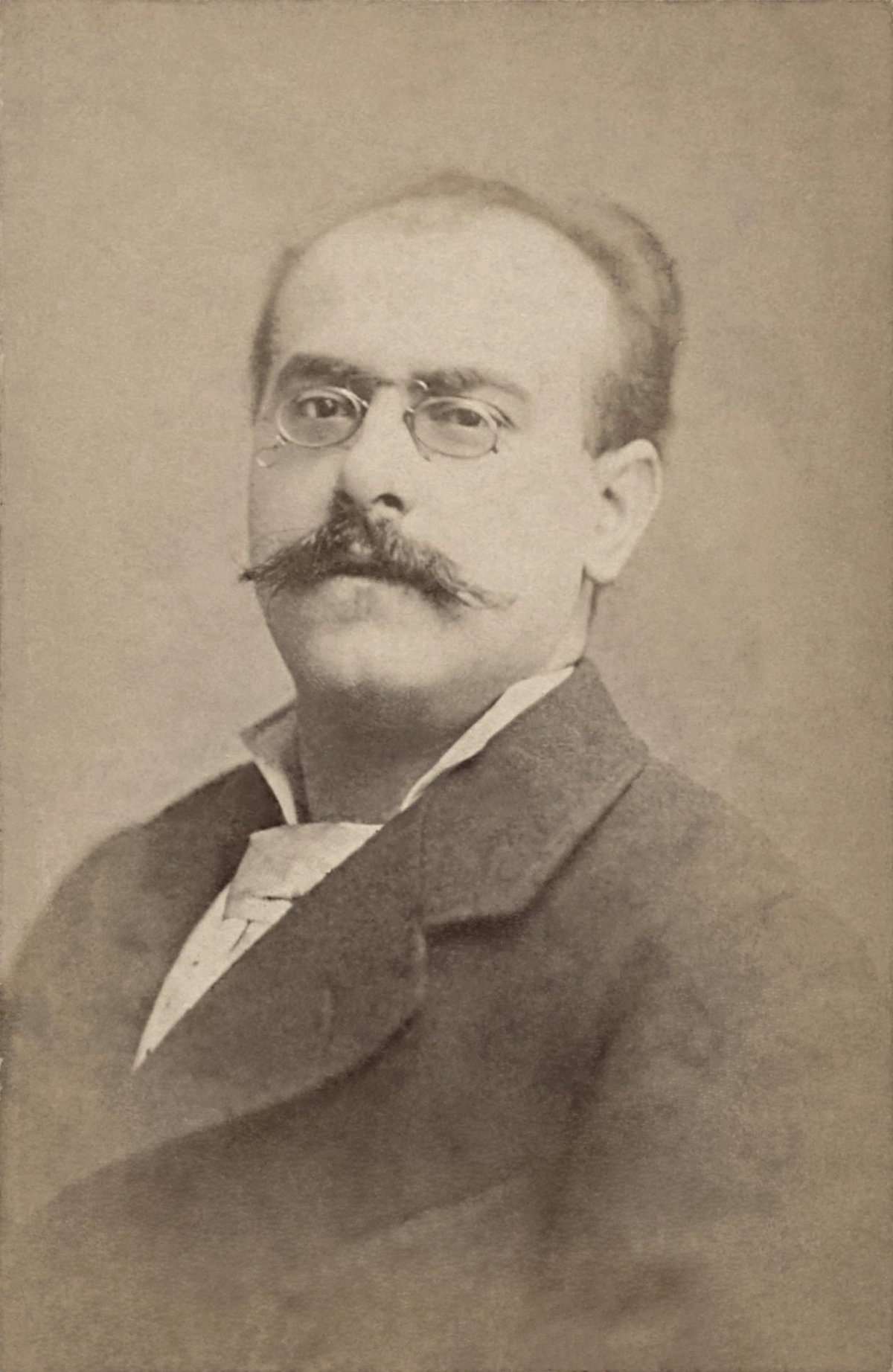
A man once faked his own demise just to see an obituary about himself. Alan Abel reportedly reported his own death in a skiing accident as an elaborate hoax on New Year's Day, 1980, to get his obituary published in The New York Times. He lived until 2018. This absurdity highlights the strange phenomenon of premature obituaries.
These reports are often born from mistakes. In 2003, CNN mistakenly reported the deaths of seven notable figures, while in 2020, Radio France Internationale published around 100 such obituaries. Sometimes the cause is an accidental publication of pre-written obituaries due to a technical glitch.
Individuals may find themselves erroneously declared dead due to bureaucratic errors. In the U.S., the Social Security Administration mistakenly considers almost 500 living people dead every month due to clerical issues.
Another cause is the misidentification of bodies. This has led to incorrect reports about the status of various individuals, including soldiers missing in action. Many Japanese soldiers from World War II were thought to be dead, only to be found alive decades later.
In other cases, people may fake their deaths to escape legal troubles or financial problems. Nicholas Alahverdian, an activist, faked his death in 2020 but was discovered alive in Scotland in 2021.
Even famous individuals have not escaped these odd situations. The actor Abe Vigoda was the subject of numerous death reports, leading to the creation of a website dedicated to confirming his living status.
These premature obituaries raise questions about identity and mortality in an age of instant communication. From humorous pranks to serious clerical errors, the bizarre tales of living people reported dead demonstrate just how absurd the truth can sometimes be.