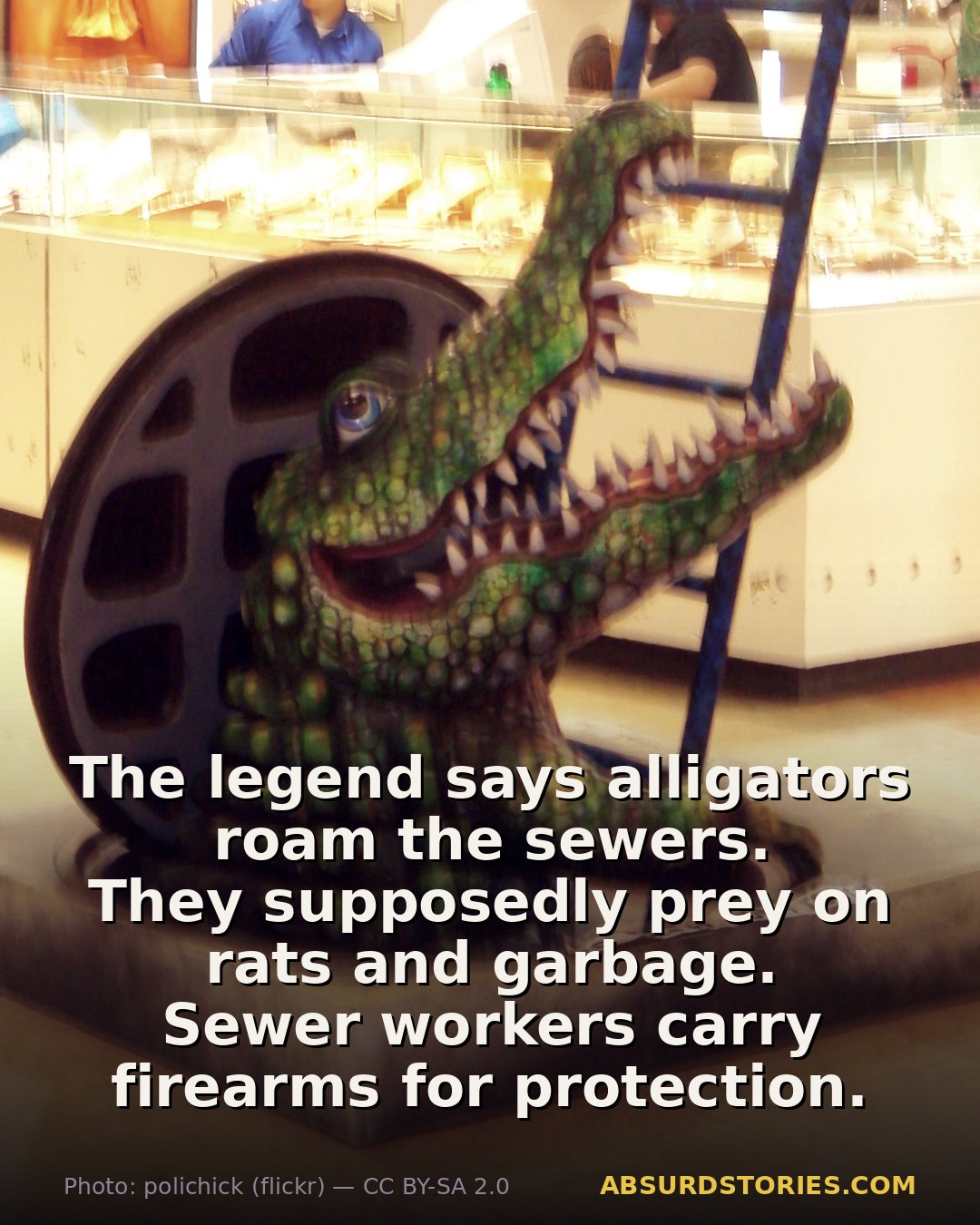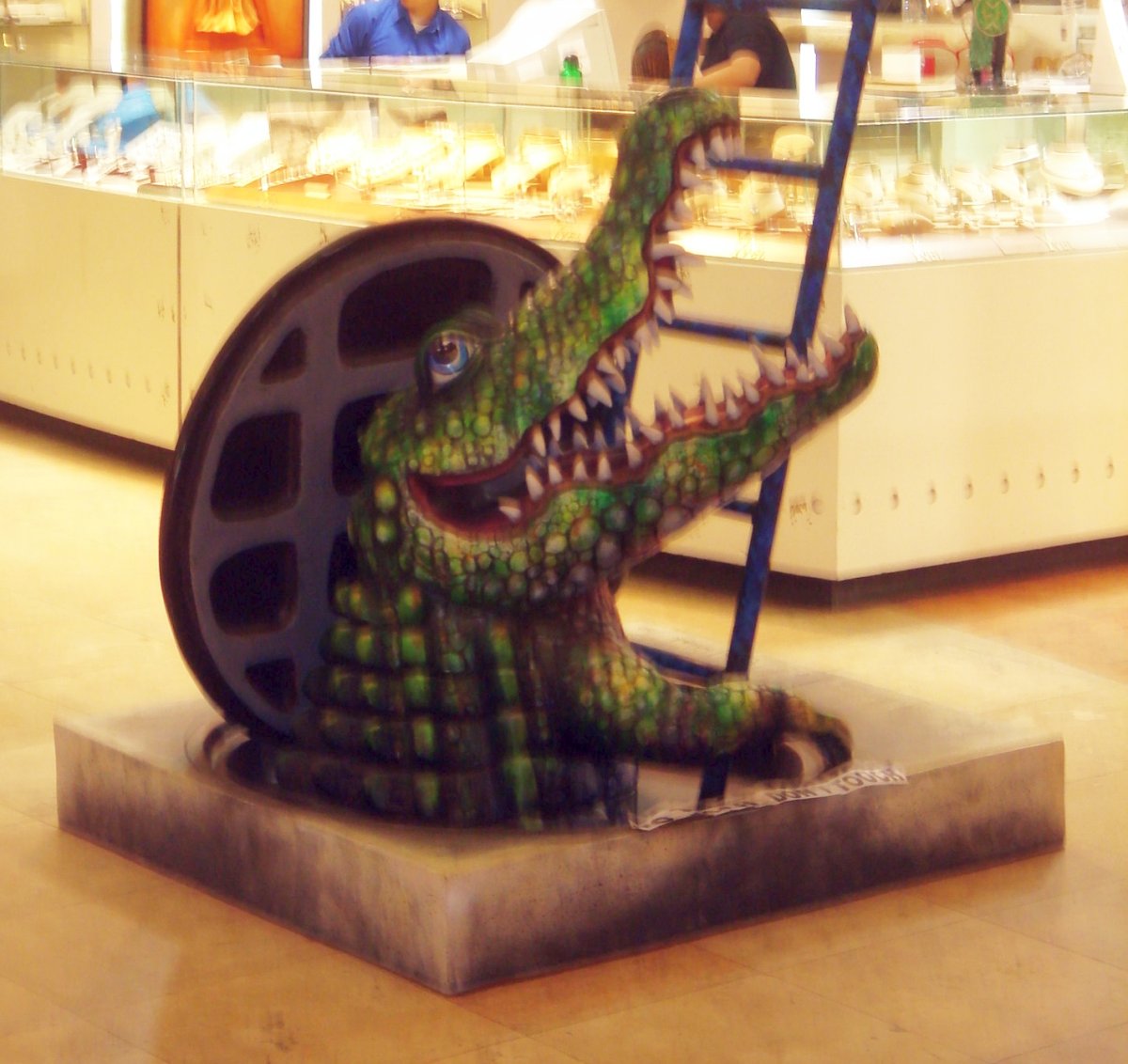
In the realm of urban legends, the tale of alligators residing in sewer systems stands out. This peculiar myth claims that alligators navigate through underground tunnels, hunting rats and evading human interaction.
Reportedly, the concept of sewer alligators gained traction in the late 1920s and early 1930s. Although there’s no verified evidence of fully grown alligators making the sewers their home, smaller specimens are occasionally discovered. Some of these alligators are abandoned pets, flushed away by owners who bought them illegally.
According to various reports, New York City rescues several alligators from sewers each year. However, these animals cannot survive long in such environments, as the sewers are too cold and filled with harmful bacteria. Sewer workers affirm that there’s no hidden population of alligators lurking below.
The myth suggests that these creatures are not only present but also pose a danger to sewer workers, who are said to carry firearms out of fear. The alligators are often depicted as large, menacing, and even described as “albino” due to lack of pigmentation. This striking image has seeped into popular culture through movies, books, and even artistic endeavors, giving rise to a quasi-holiday called Alligator in the Sewer Day.
Throughout the years, the legend has evolved. Historical accounts suggest that some of the earliest sightings were dismissed by officials. A sewer commissioner in the 1930s, upon investigating, claimed to have spotted small alligators. His subsequent extermination efforts involved using bait and firearms, but the sightings persisted.
Despite the lore, there are no verifiable reports of hideously mutated or blind albino alligators living in the sewers, nor is there concrete evidence of giant mutant alligators resulting from toxic waste exposure. The bizarre nature of this legend continues to spark the imagination of many, maintaining its place in urban folklore.
In a world filled with peculiar beliefs, the story of sewer alligators remains a fascinating example of how myths can take root in the public consciousness.