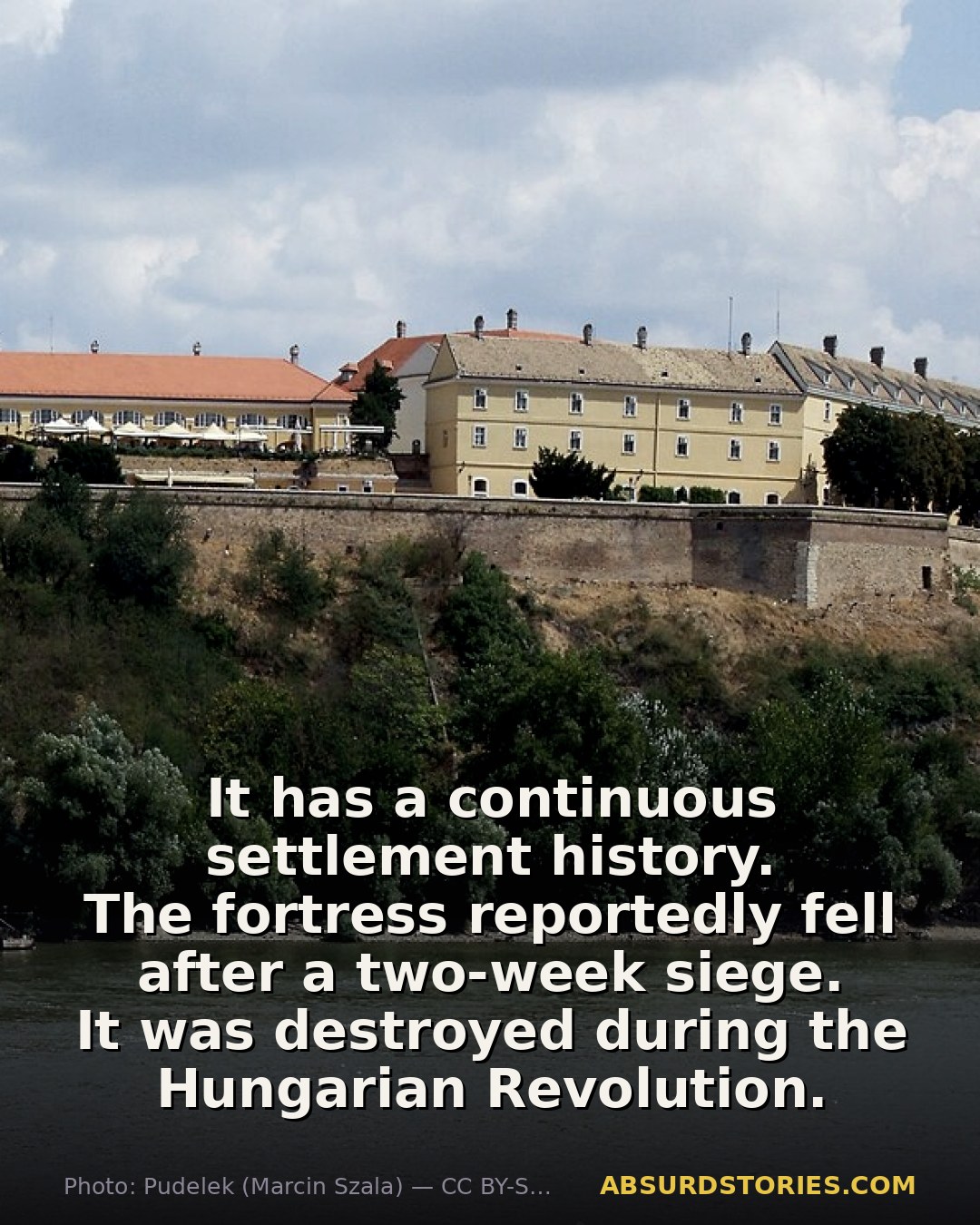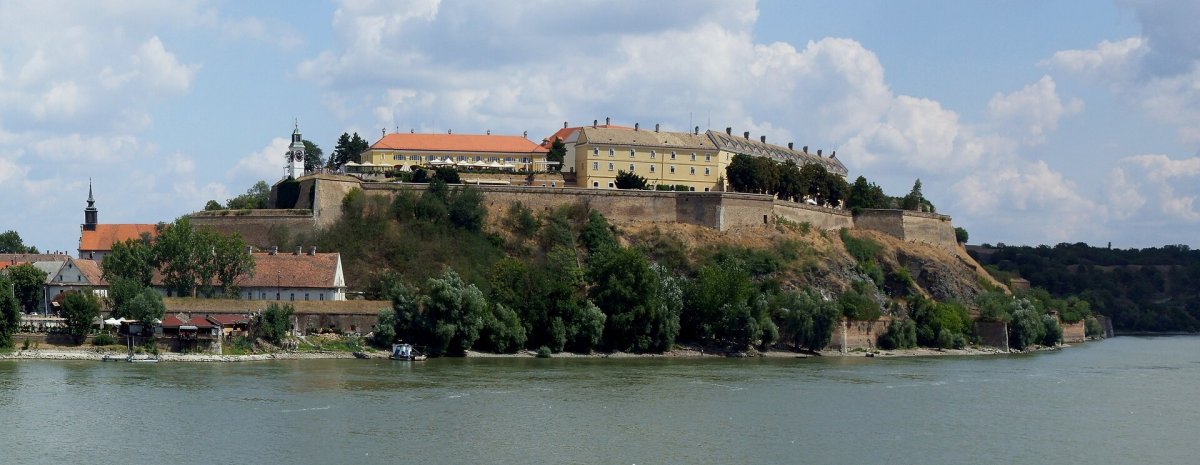
Petrovaradin Fortress, often referred to as the "Gibraltar on the Danube", has a long and complex history. Located on the right bank of the Danube in modern-day Serbia, it boasts an impressive network of tunnels, totaling over 16 kilometers.
The site has seen human settlement since the Paleolithic era, with evidence dating back to 19,000 to 15,000 BC. As time progressed, it transformed from a simple settlement to a fortified structure. Roman forces established the first significant defenses in the 1st century BC, marking the beginning of its military significance.
In 1235, a major shift occurred when King Béla IV of Hungary brought Cistercian monks to build a monastery on the ruins of the Roman fortress. This monastery became a fortification during the Middle Ages, highlighting the site's strategic importance.
During the Great Turkish War, the Austrian Army seized the fortress in 1687 after 150 years of Ottoman control. Subsequent renovations began in the late 17th century, leading to the construction of a modern fortress designed to withstand future sieges.
In 1716, Petrovaradin was the site of a decisive battle between Austrian and Turkish forces, resulting in the end of the Turkish threat in Central Europe. Following this victory, the fortress was fortified further with an extensive network of tunnels, completed in 1776.
Despite its military past, Petrovaradin later served more peaceful roles. However, its last military significance came during the Hungarian Revolution of 1848, when it was shelled by Austrian troops, leading to widespread destruction in the surrounding city.
In the years that followed, the fortress transitioned from a military stronghold to a military barracks and storage facility. It remained intact while other fortifications in the region were demolished due to their diminishing military relevance.
Today, the fortress stands as a testament to the turbulent history of the region, a site that has witnessed centuries of conflict and change.