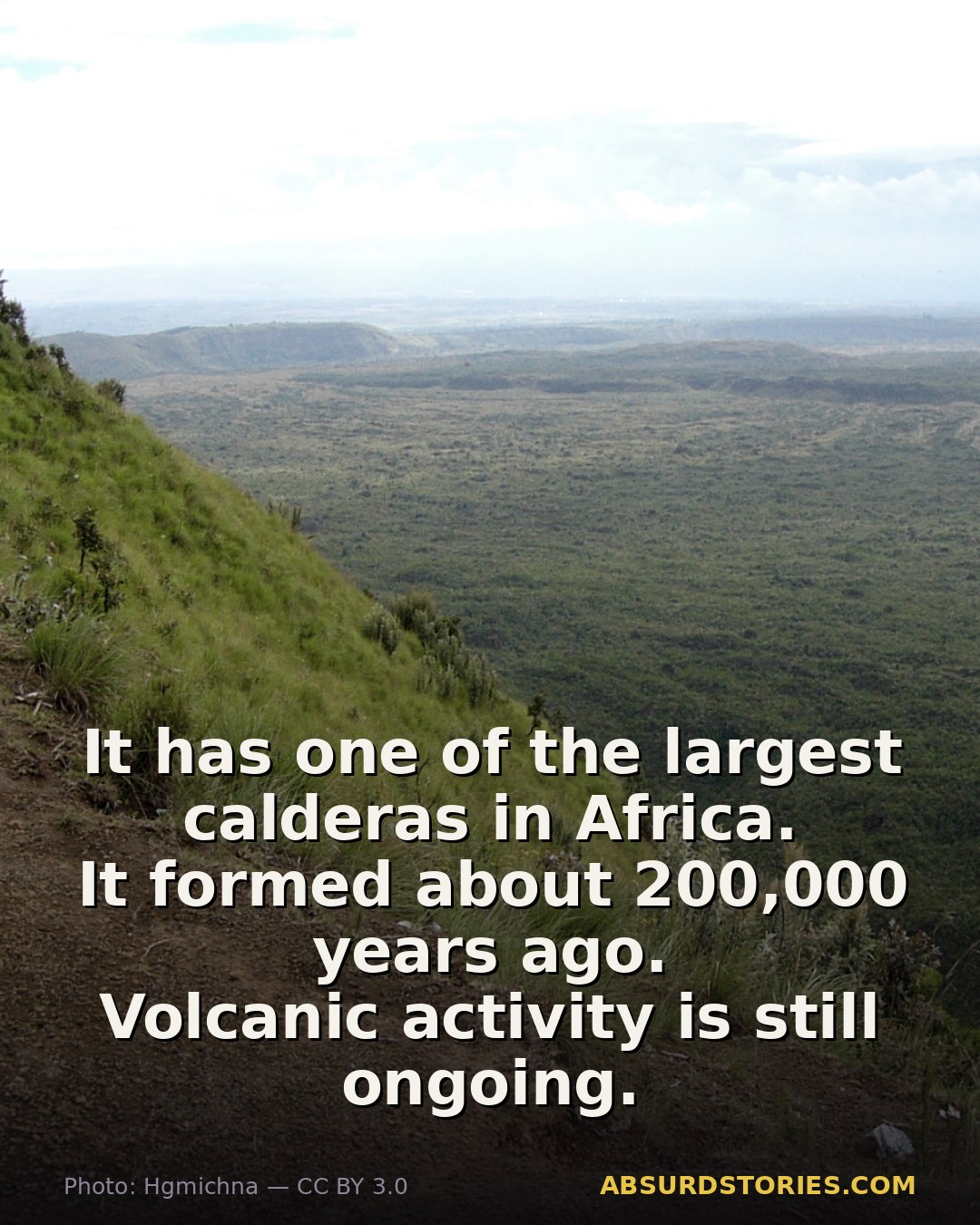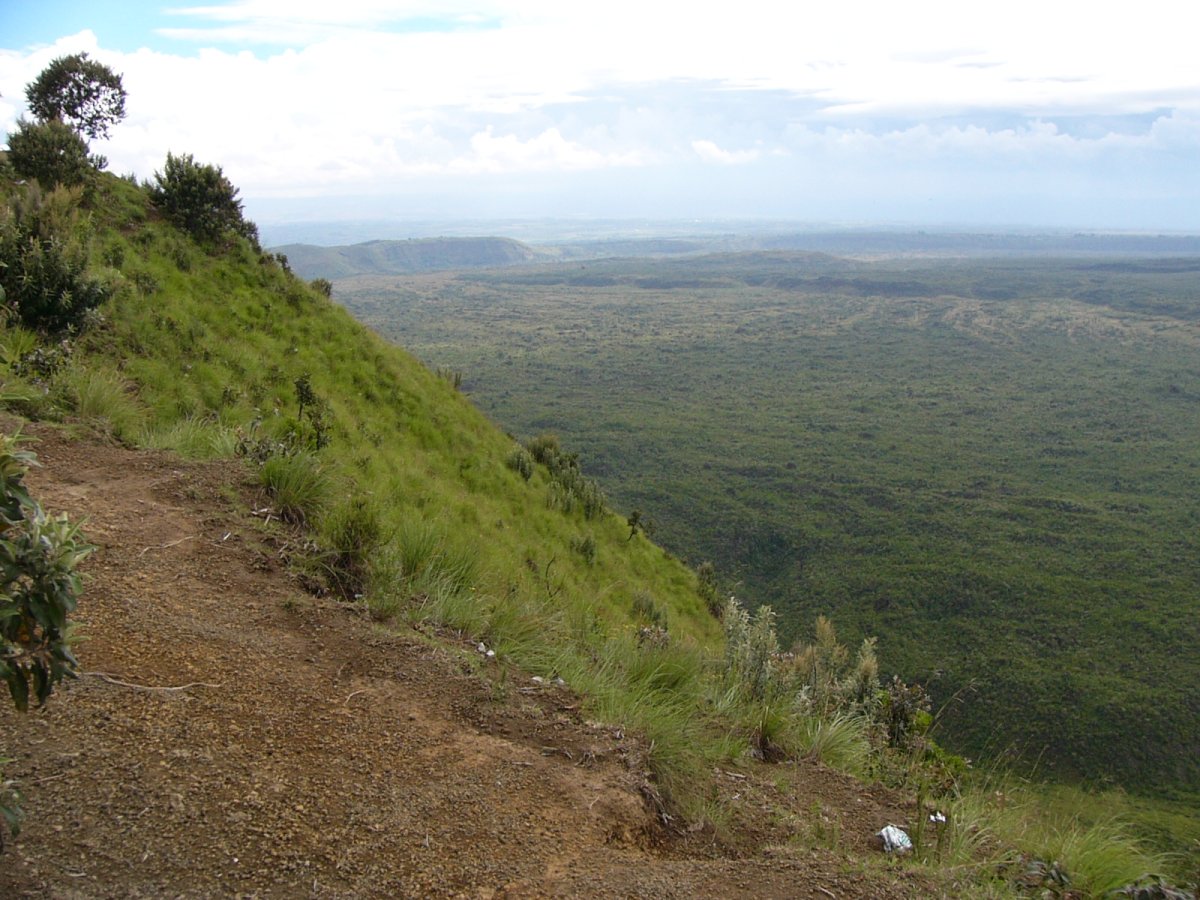
In the Great Rift Valley of Kenya, Menengai Crater stands as a massive shield volcano with one of the largest calderas in the world. This notable geological feature is not just impressive in size; it also plays a significant role in the surrounding environment.
Menengai is the largest volcanic caldera in Kenya and ranks second in Africa. The volcano itself originated around 200,000 years ago, while its prominent caldera, which measures approximately 12 by 8 kilometers, was formed about 8,000 years back. The floor of this expansive caldera is covered with multiple flows of lava from its post-caldera activity.
Renowned for its preservation, Menengai is considered one of the best-preserved Krakatau-style calderas globally. Inside the caldera, there is remarkably little sediment, replaced instead by thick masses of lava boulders and steep ridges that make it challenging to navigate.
As volcanic activity persists, there are ongoing efforts to harness its geothermal potential. A project under the Geothermal Development Company is currently advancing towards generating geothermal power from this impressive site.
Located just 10 kilometers north of Nakuru, Kenya's fourth-largest city, Menengai Crater is not only a natural marvel but also a vital resource for the region.