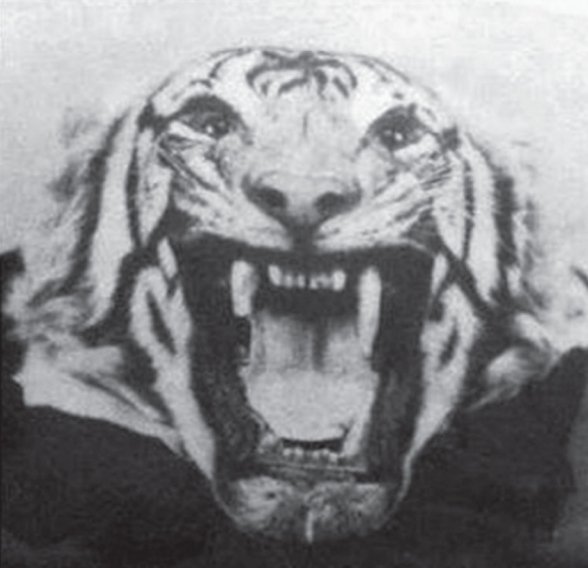
One female Bengal tiger was linked to an astonishing number of fatalities. The Champawat Tiger was responsible for an estimated 436 deaths in Nepal and India at the turn of the 20th century. Her rampage began in the village of Rupal in western Nepal, where hunters attempted to kill her but met with failure.
As the death toll rose, the Nepalese Army was called in to control the situation. Despite their efforts, they could not capture or kill the tiger. They did, however, manage to drive her across the Sarda River into India, where she continued her attacks in the Kumaon District.
Reports indicate that the tiger adapted her hunting techniques to evade human pursuers, traveling significant distances at night to hunt. She claimed a larger territory that encompassed multiple villages, leading to widespread fear and paralysis in the region. Most of her victims were young women and children who ventured into forests for daily needs.
Interestingly, all her attacks occurred during the day. Local men often avoided work, terrified by the sound of her roars echoing through the forests. In 1907, Jim Corbett, a British hunter, took action after the tiger killed a 16-year-old girl. Following a blood trail, he encountered the tiger and narrowly escaped an ambush.
Corbett organized a massive hunt with the help of local villagers. The beat involved 298 men, and the next day, he shot the tiger, hitting her several times before delivering a final shot with a different rifle as she charged. A postmortem revealed significant injuries to her teeth, likely preventing her from hunting regular prey and forcing her to turn to humans.
Despite her terrifying legacy, the Champawat Tiger's story highlights the tragic conflict between humans and wildlife as habitat loss drove predators to seek alternative food sources.